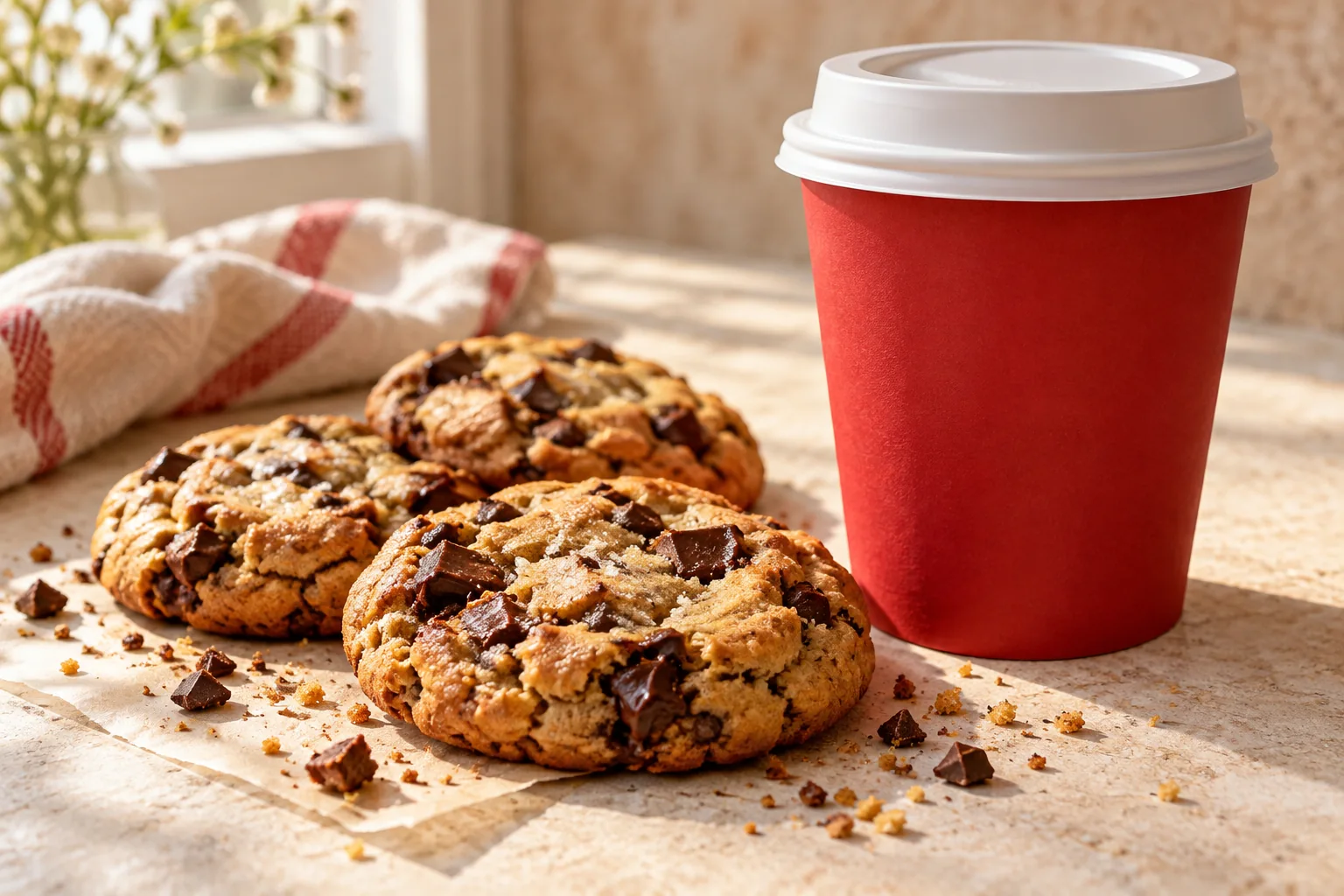
The sandwich may be decided, but the final bill often changes when you reach the sides and drinks. A cookie, a bag of chips and a bottled beverage each serve a different purpose. Choosing them deliberately is more useful than automatically accepting the first meal upgrade that appears.
This guide separates the side decision from the sandwich decision. It explains how to read single-item and sharing prices, compare a bundle, choose drinks for pickup and avoid making assumptions about Canadian availability. The aim is to help you order the extras you want without treating every add-on as necessary.
Start with the role of the extra
Ask what is missing from the meal. You might want something crunchy, a sweet finish or simply a drink. Those are three different needs. If the sandwich already feels like enough food, adding a side because it is offered may not improve the order. If you do want a side, choose the one that fills the gap.
A useful approach is to pick one priority before looking at promotions. For example, decide that you want a cookie rather than “whatever comes with the deal.” You can then compare a cookie bought separately with any eligible meal option. That keeps the offer attached to your preference rather than allowing the offer to create a new purchase.
For a shared order, ask who actually wants each extra. A multi-item pack can look economical while leaving some food unwanted. The lowest cost per item is only useful when those items are wanted and can be used appropriately. A single item can be the better purchase even when its unit price is higher.
Cookies: compare the count as well as the flavour
The official Canadian restaurant listing reviewed for this site included Chocolate Chunk, Oatmeal Raisin and White Chip Macadamia Nut cookies, alongside assorted packs. That is a menu snapshot, not a promise that every flavour will be available when you visit. Ask about the day's choices before relying on a particular selection.
Read the count attached to a pack. A photograph can make several options look similar, while the text establishes how many cookies are included. If an assorted selection is listed, do not assume you can choose every flavour or exclude one without checking the available options.
Our source example is the published menu for restaurant 14599-0. For your own purchase, use the selected restaurant's live menu. Cookie prices, pack choices and availability should be confirmed together rather than copied individually from unrelated locations.
Work out whether a sharing pack fits
Divide the pack price by the number of cookies to find its unit price. Then compare that with the single-cookie price at the same restaurant. This calculation is simple, but it answers only the cost question. It does not tell you whether the assortment is suitable for the people sharing it.
For example, a pack may have a lower unit price while containing a flavour nobody in the group wants. Another person may need ingredient information before choosing. Settle those questions before treating the larger pack as a saving. The relevant comparison is the cost of the desired food, not just the number printed on the package.
If ordering for a meeting, count people and preferences first. Ask the restaurant whether it can separate particular selections if that matters. Do not present an assorted pack as suitable for everyone without checking dietary requirements and the current ingredient information.
Chips and other savoury sides
A bag of chips provides a different texture from a softer sandwich, which can make it appealing as a side. Start with flavour preference and package size rather than assuming all bags are equivalent. The brand or flavour pictured in a general guide may not match the stock at your chosen restaurant.
Some local menus can also include other savoury sides. Treat these as restaurant-specific choices until you see them listed for your location. A national-looking category page or an older promotion does not prove that a product is stocked nationwide. If a particular side is the reason for your visit, confirm it directly.
Check how the side fits the journey. A sealed bag and a freshly prepared item have different practical considerations for carrying and eating. Ask about the current product and packaging if those details matter, rather than relying on a photograph to tell you how it will arrive.
Drink comparisons need a serving size
A beverage name without a size is not enough to compare value. Read the volume or cup size, the format and the price. A fountain drink, bottled drink and hot beverage can differ in portability and in what is included in a meal offer. Match the actual selections before deciding which is cheaper.
For pickup, think about how you will carry the drinks with the food. Multiple open cups can require a different plan from sealed bottles. Ask for a carrier if needed and available. A small amount saved on a drink choice may not be worthwhile if it creates an awkward collection for one person.
If comparing nutrition information, use the same serving size and include any changes relevant to the beverage. Do not assume that two products with similar names have identical ingredients. The official Canadian nutrition resources and the product label are better references than a generic calorie list copied between countries.
Meal upgrade or separate extras?
Write down the sandwich price first. Then calculate the difference between that order and the offered meal. Compare the difference with the separate cost of the drink and side you actually want. If the meal includes different products, note the substitution instead of treating the comparison as exact.
| Decision | Compare | Common detail to miss |
|---|---|---|
| Several cookies | Singles versus listed pack | Count and flavour selection |
| Drink only | Separate drink versus meal upgrade | An unwanted side can raise spending |
| Group meal | Individual extras versus shared choices | Not everyone wants the same thing |
The value meals and ordering guide expands this method to discounts and delivery totals. For a smaller sandwich, our 6-inch guide also helps you decide whether the bundle still fits the lunch you intended to buy.
Ingredients matter more than the category name
A cookie assortment can contain several different recipes. A savoury side can include ingredients that are not obvious from its name. Check the current ingredient and allergen information for the exact product. For packaged items, read the label when it is available rather than relying on memory from an earlier purchase.
Tell the restaurant about an allergy before ordering. Subway's official guidance explains that preparation can involve contact with other ingredients. Choosing a cookie without a visible nut, for example, does not establish that it is suitable for a person with a nut allergy. This site cannot verify preparation conditions for an individual restaurant.
Keep preference requests clear as well. “No chocolate” might describe a taste preference, while an allergy requires a different conversation. Do not rely on a vague note when a precise ingredient restriction is important to the person who will eat the food.
A practical group-order checklist
List the extras under each person's name, then combine only the items that genuinely match. This makes it easier to see whether a pack or a set of individual portions is more useful. Keep beverages separate by type and size so the person collecting the order can check them quickly.
At collection, compare the count with the receipt. If an item was substituted, check that the replacement is acceptable before leaving where possible. Do not assume that a different cookie flavour or drink is interchangeable for every member of the group. A quick clarification can prevent a second trip.
For the full menu context, return to the Subway Canada menu overview. The best side order is usually the one that answers a clear need: the flavour you want, the quantity you can use and a final price you understand.