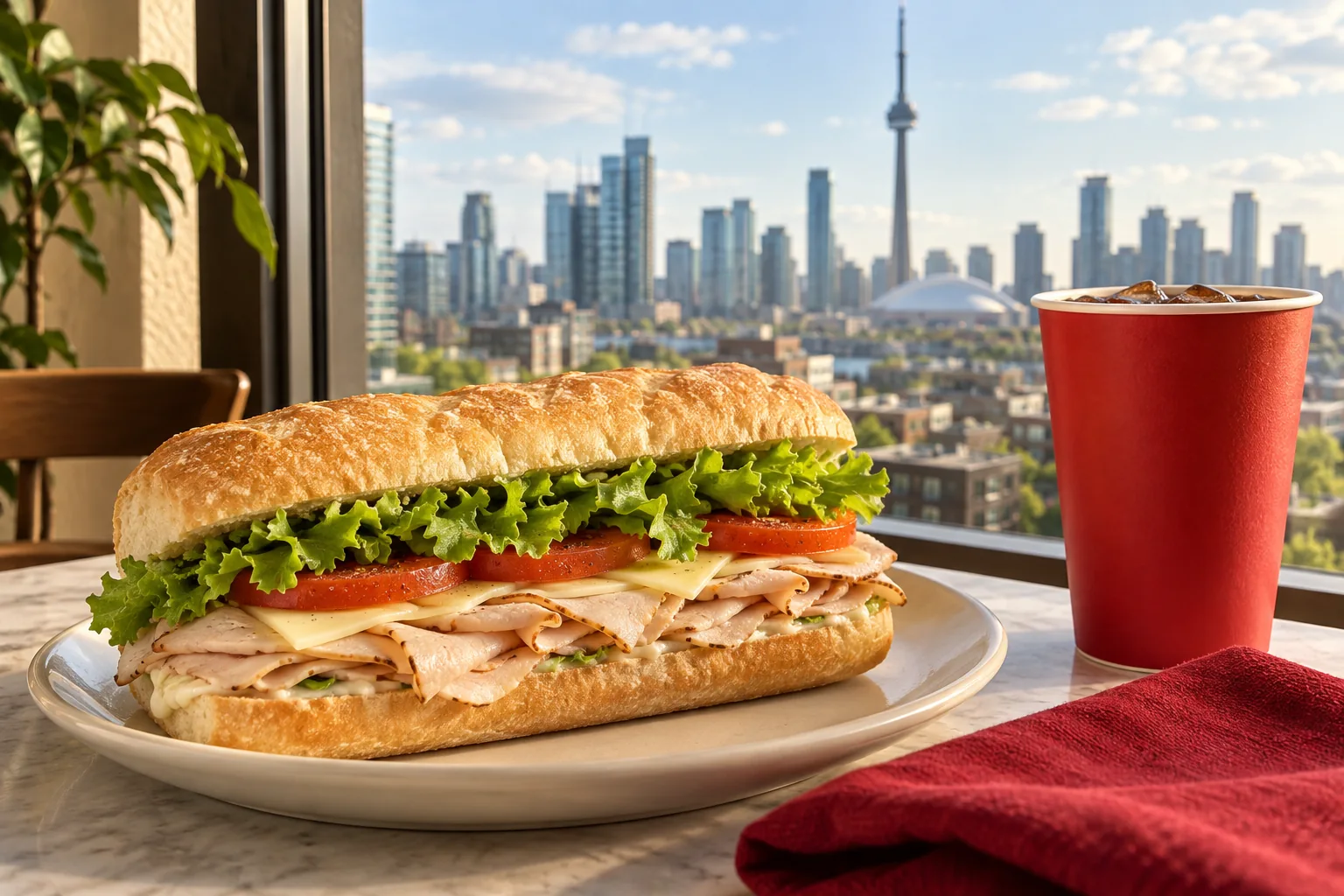
“Best” is a preference question before it is a ranking question. A sandwich that suits someone who likes smoky, rich flavours may be the wrong choice for someone who wants a simple vegetable-led lunch. This shortlist uses ingredients and ordering preferences to help you choose a direction rather than pretending there is one winner for everyone.
These are editorial suggestions, not results from restaurant visits, customer polling or a blind taste test. Availability and recipes need checking at your selected Canadian restaurant. We explain what to look for in a menu description and how to make a small, deliberate adjustment without turning the order into a long list of conflicting flavours.
Choose the flavour you want first
Before reading every sandwich name, choose a broad direction: mild, savoury, sweet-and-tangy, spicy or vegetable-led. Then read the available recipes for the ingredients that create that direction. This reduces the number of choices without relying on a popularity claim that may not reflect your own tastes.
Think about texture separately. You may want a soft filling with crisp vegetables, a warm melted-cheese combination or a relatively simple cold sandwich. A recipe can match your favourite protein while missing the texture you want. Reading both the filling and the toppings produces a more useful shortlist.
Finally, identify one ingredient you do not want. Eliminating an unsuitable sauce or topping can be more helpful than adding another appealing item. Once you have a direction and a clear exclusion, choosing between two or three local options becomes easier.
For a familiar deli-style lunch
Look for a straightforward ham or turkey option if you want the filling to be easy to recognize and customize. Check what the local recipe includes before adding cheese, sauce and vegetables. A simple starting sandwich gives you room to decide which flavours should stand out.
For a mild direction, choose a small number of compatible additions rather than several strong sauces. For more contrast, consider a crisp vegetable or a sharper condiment if listed. These are preference-based suggestions; they are not claims that one combination is the restaurant's standard recipe or a nationally available special.
A deli-style option is also a practical starting point when ordering for someone with clear likes and dislikes. Ask for their actual preferences instead of assuming that a familiar sandwich is suitable for every dietary need. Ingredient familiarity does not replace checking the current recipe.
For a warmer, richer sandwich
If a steak-and-cheese or meatball-style sandwich is listed, read the description for sauce and cheese details. These names point towards different eating experiences even though both may appeal to someone seeking a warm lunch. Decide which filling you actually want before comparing the extra toppings.
Avoid adding several sauces simply because they are offered. A richer filling may already carry a strong flavour. If you want more contrast, consider whether a vegetable topping would serve that purpose more clearly than another creamy or sweet addition. The aim is a coherent combination, not the greatest number of ingredients.
Ask about toasting and preparation options at the selected restaurant. Do not infer serving temperature from a photograph or assume that every modification is possible. A clear order with one or two intentional choices is easier to communicate than a recipe assembled from several unrelated menu images.
For a sweet or spicy chicken direction
Chicken-based recipes can differ substantially in sauce. Read beyond the protein name and decide whether you want sweetness, heat or a milder profile. If the current menu has several chicken options, comparing their sauces may be more useful than comparing their titles.
Heat is personal. A description containing the word “hot” cannot tell you exactly how it will feel to you, and removing one pepper topping may not remove heat already present in the sauce or filling. If you are unsure, ask which ingredient provides the heat and what changes are available.
For a sweet direction, think about whether you want the sauce to be the main flavour or a background note. Adding another sweet component may reinforce that character, while a crisp vegetable can offer textural contrast. These suggestions describe a way to choose; they do not establish the current composition of a named Subway recipe.
For a vegetable-led order
Start by checking the difference between a vegetable sandwich and any plant-based patty or named vegetable recipe on the local menu. They can have different fillings, sauces and prices. A similar category label does not make them nutritionally or practically interchangeable.
Decide which texture you want most: crisp vegetables, a softer filling or a mixture of both. Then choose the bread and sauce around that preference. A vegetable-led sandwich does not need every available topping to feel intentional. A shorter combination can make individual flavours easier to notice.
If vegan suitability matters, examine the full ingredient list, including bread, cheese, sauce and any patty. Do not infer it from the absence of visible meat. For allergies or other strict dietary requirements, consult the restaurant and current official resources before treating a customized order as appropriate.
A preference-based shortlist
| If you want… | Look for… | Read this part carefully |
|---|---|---|
| A rich warm direction | A listed steak or meatball-style recipe | Included sauce and preparation |
| Sweetness or heat | A chicken recipe matching that preference | The ingredient creating the flavour |
| Vegetable texture | A vegetable-led sandwich or listed patty | Full recipe and dietary details |
| Fewer decisions | A named combination you mostly like | What is included before changes |
Use the table as a browsing tool, not a guaranteed menu. The official Subway Canada menu is the place to find your restaurant's current choices. Our Series menu explainer helps you understand named recipes when you want fewer decisions at the counter.
Keep the first order simple enough to learn from
If you are trying an unfamiliar combination, change one element rather than all of them. That gives you a useful reference for next time. You can decide whether you liked the sauce, the filling or the bread without wondering which of several changes dominated the result.
Make a brief note of the exact build if you want to repeat it. A sandwich name alone may not capture your preferred sauce or vegetable changes. Recording those details is more useful than calling a sandwich “the good one” and trying to reconstruct it later from memory.
Do not turn one disappointing order into a universal judgment about every restaurant or every version of a recipe. Preparation, personal preferences and substitutions all affect the experience. This guide avoids star ratings because we have not performed the controlled tasting needed to support them.
Match the recommendation to your budget
Once you have a preferred flavour direction, compare the available sizes and the final cost of your additions. A lower-priced base can become a more expensive order after several changes. A named build may include something you would otherwise add, but only the actual basket can establish whether it offers better value.
Compare sandwich-only options before adding a side and drink. That shows whether the recipe or the meal upgrade is driving the difference. Our footlong guide and 6-inch guide offer separate approaches for those two decisions.
If you are choosing lunch for a group, let people make the final call from a short list. A recommendation should reduce confusion, not override another person's taste or dietary requirements. The most useful “best sandwich” is the one that fits the person, the occasion and the actual menu available that day.
Before paying, read the final recipe once more. A saved favourite or a previous customization can leave an ingredient selected when you meant to try something different. Checking the actual basket keeps the recommendation connected to the sandwich you will receive.