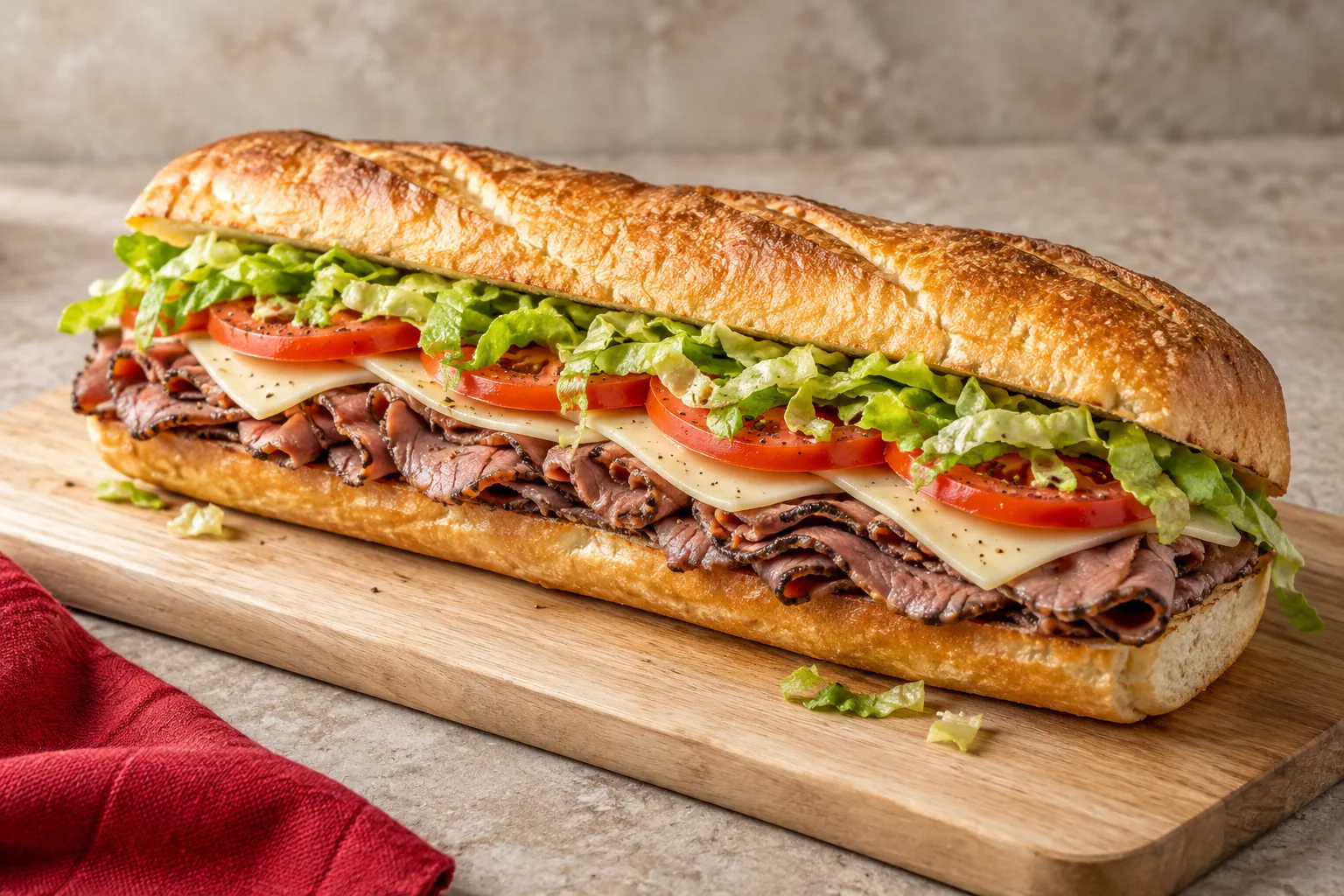
Prices & portions
What does a footlong really cost?
A practical guide to local prices, size comparisons and the extras that change your final total.
Menu notes / Canada
Subway menu prices in Canada, explained with local context. Find your sandwich, compare the extras and know what to check before you order.
Local examples, with their limits made clear.
Nine guides for the decisions that matter.
Official Canadian information comes first.
The Canada edition
Subway menu prices in Canada make more sense when you start with a restaurant and a finished order. Choose your location, recipe and size, then check the total after any additions. The same sandwich name can appear in different formats, and a promotional starting price does not necessarily describe the meal you have in mind.
This independent guide organizes the main menu decisions in one place: sandwiches, smaller portions, named combinations, breakfast, sides, drinks and customization. It also explains where our information comes from. We do not turn one store's prices into a nationwide list or fill missing entries with estimates that look official.
A dated, store-specific snapshot. All amounts in Canadian dollars.
The table below records a small sample from the official online menu for restaurant 18206-0, reviewed on October 7, 2026. These are the amounts displayed beside the listed default products. They are not verified checkout totals, national prices or quotes for customized sizes. Confirm the selected product and all applicable charges before purchase.
| Listed item | Observed amount (CAD) | Scope |
|---|---|---|
| Bacon & Egg | C$5.00 | Store 18206-0 default listing |
| Chocolate Chunk cookie | C$0.99 | Store 18206-0 single-item listing |
| Six assorted cookies | C$4.69 | Store 18206-0 pack listing |
Source: Subway restaurant 18206-0 menu. Online menu pages can change after review, and availability is not guaranteed. We omit a nationwide sandwich price table because the information retrieved did not establish a consistent, selected-size price for every recipe across Canada.
For footlongs and 6-inch sandwiches, use a completed local basket rather than estimating from a smaller item or another restaurant. Compare equivalent recipes, the same purchase channel and the same extras. This avoids a common mistake: describing one order as cheaper when it simply includes less food or excludes a drink.
Start with the kind of meal you want.
The larger format can be useful when it matches your appetite or a genuine sharing plan. The smaller format can be useful when you want a compact lunch or when two people prefer different recipes. Neither size is automatically the better value for every situation. The relevant question is how much wanted food the order provides for its final cost.
If two people would eat the same sandwich, compare one footlong with two equivalent 6-inch orders. Ask whether the requested split is possible before assuming a single sandwich can accommodate different preferences. If the fillings differ, compare two separate orders honestly rather than forcing them into an artificial shared option.
Our footlong price guide explains the arithmetic and offer checks. The 6-inch sandwich guide focuses on appetite, simple customization and smaller meals. Both keep the price comparison attached to a specific order instead of an old nationwide-looking number.
A named sandwich offers a starting combination. Read the main filling, cheese, toppings and sauce before changing it. If most of that description appeals to you, it may be a convenient route. If you plan to remove nearly everything that defines it, compare a simpler build instead.
Older Series campaign pages can remain visible in search results after menus change. A launch article helps explain a past menu, but your restaurant's current listing determines what you can order today. Do not assume that a familiar number or name guarantees the same recipe, price or format indefinitely.
The Subway Series menu explainer shows how to interpret chef-crafted combinations, compare included ingredients and handle an unavailable favourite. Its purpose is to reduce uncertainty at the menu, not to promise that every historical Series recipe remains in stock.
For a mild lunch, start with a straightforward filling and a sauce you already enjoy. For a richer direction, inspect the cheese and sauce in any listed warm sandwich. For sweetness or heat, identify the ingredient creating that flavour rather than assuming the protein name tells the whole story.
Vegetable-led orders deserve the same attention to texture. You might prefer crisp vegetables, a softer filling or a mixture of both. Choose deliberately instead of adding every topping. If a dietary label matters, verify the entire recipe, including bread and sauce; the main filling alone cannot establish suitability.
Our ingredient-led sandwich shortlist groups choices by preference. It is an editorial selection method rather than a taste-test ranking. We do not invent restaurant visits, customer surveys or star ratings to make a recommendation sound more authoritative.

The editor's notebook
Start with the flavour you want. Read the whole recipe. Make one intentional change instead of adding every option.
Find your sandwich directionIf your selected restaurant lists wraps, bowls or another format, compare the actual recipe and portion with the sandwich you would otherwise buy. Changing the format can affect what is included, so do not assume it is simply the same sandwich with the bread removed or replaced.
Read the available customization options and the completed price. A different container or bread format does not automatically make a meal cheaper or establish a nutritional advantage. When the local menu does not show the option you want, ask the restaurant rather than treating an older national-looking guide as proof of availability.
A successful breakfast stop depends on more than finding an egg sandwich in a search result. Check whether the location serves the item, whether it is available at your planned time and whether you can access the restaurant. Locations inside larger buildings may require an additional access check.
The breakfast guide includes observed menu examples and a practical morning checklist. It also separates the sandwich price from coffee or another drink, helping you compare the breakfast you actually intend to buy rather than a partial order.
Choose an extra because it adds something you want: crunch, a sweet finish or a beverage. Then compare the single item with any eligible meal offer. A bundle can be useful, but including an unwanted side does not automatically turn a higher bill into better value.
For cookie packs, compare the count and assortment as well as the unit price. For drinks, compare the actual serving size and format. A bottle, fountain cup and hot beverage are different products even when each appears under the same broad menu category. Check which choice the offer includes.
Our cookies, sides and drinks guide covers individual additions and group orders. It also explains why ingredient information matters for an assortment and why a flavour seen at one restaurant should not be assumed available everywhere.
Use a dedicated kids' option only when the selected restaurant lists it. We do not promise a national package, included toy, drink or side. If that category is absent, ask which ordinary menu choices fit your family's needs and make the decision from the actual options.
A smaller sandwich is a format, not a universal recommendation for a child or adult. Appetite and dietary needs differ. This guide can help organize the order, but the person choosing the food needs to decide what is appropriate for their circumstances.
Begin with the order you would buy without a promotion. Then compare any offer against that baseline. Match the sandwich, serving, sides and drinks where possible. If the offer changes the meal, write down the differences before treating the lower headline as a saving.
For pickup and delivery, compare the final amount and the practical collection plan. Keep the restaurant fixed for the first comparison. Changing both the store and the channel mixes two possible causes of a price difference and makes the result harder to interpret.
The value meals and ordering guide gives you a step-by-step method, including solo lunches, shared orders and event-day collection. It avoids publishing unverified coupon codes that can remain on a static page long after an offer ends.
Use Subway Canada's nutrition resources to match the standard recipe and serving size before comparing numbers. Include the side and drink when evaluating the whole meal. An exact-looking figure is not useful if it describes a different size or a build you have substantially changed.
For allergies, check current ingredient information and speak with the restaurant before preparation. Subway warns that contact with other ingredients can occur. Removing a visible ingredient does not establish an allergen-free meal, and this publication cannot certify preparation conditions at an individual location.
The nutrition and customization guide explains these distinctions in more detail. It provides menu-reading help rather than a medical diet plan or a claim that one sandwich is the healthiest choice for every person.
Latest guides
Prices, portions, breakfast and everything around the sandwich.
Prices & portions
A practical guide to local prices, size comparisons and the extras that change your final total.
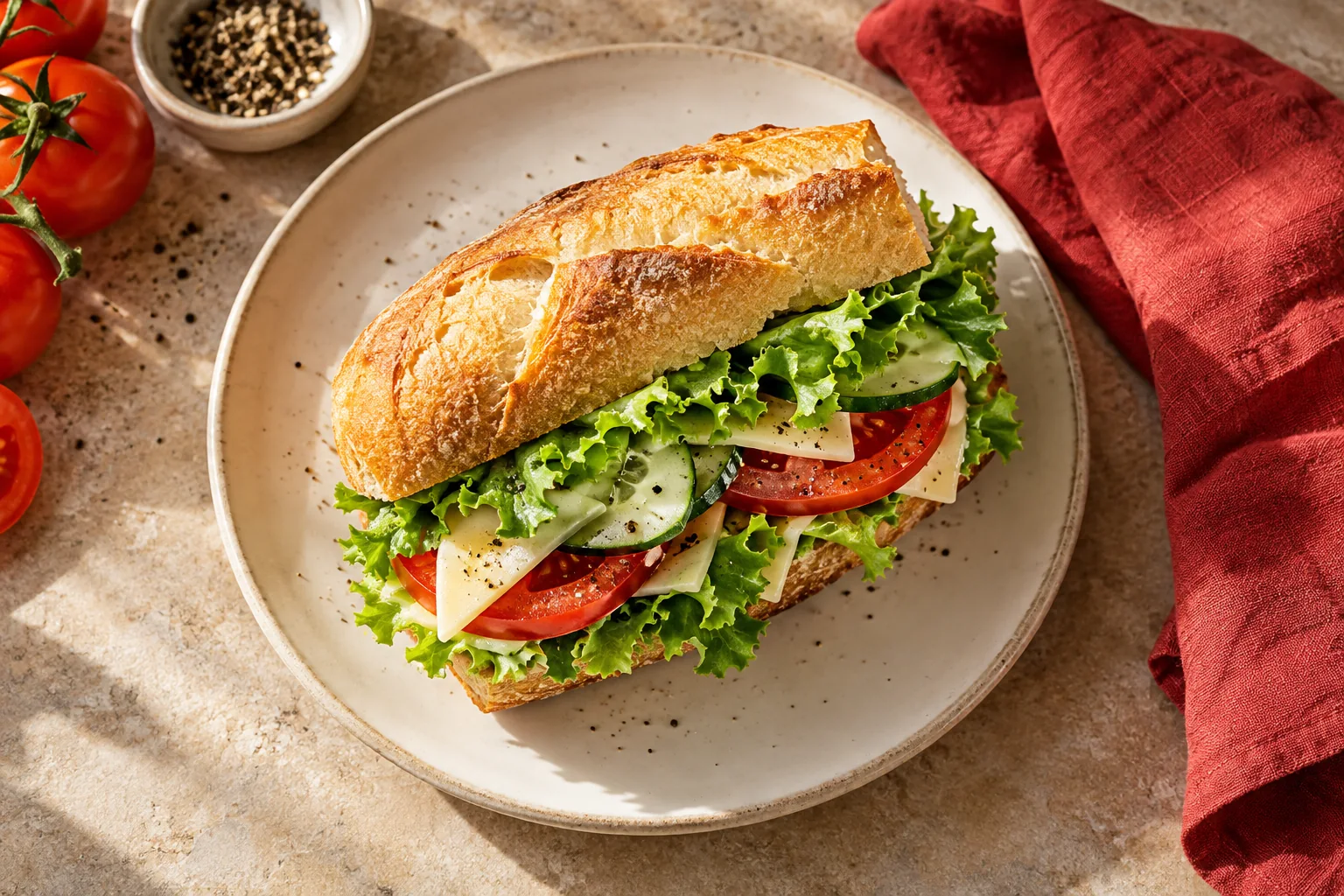
Smaller orders
Choose a smaller sandwich around your appetite, then compare the meal you actually want to buy.
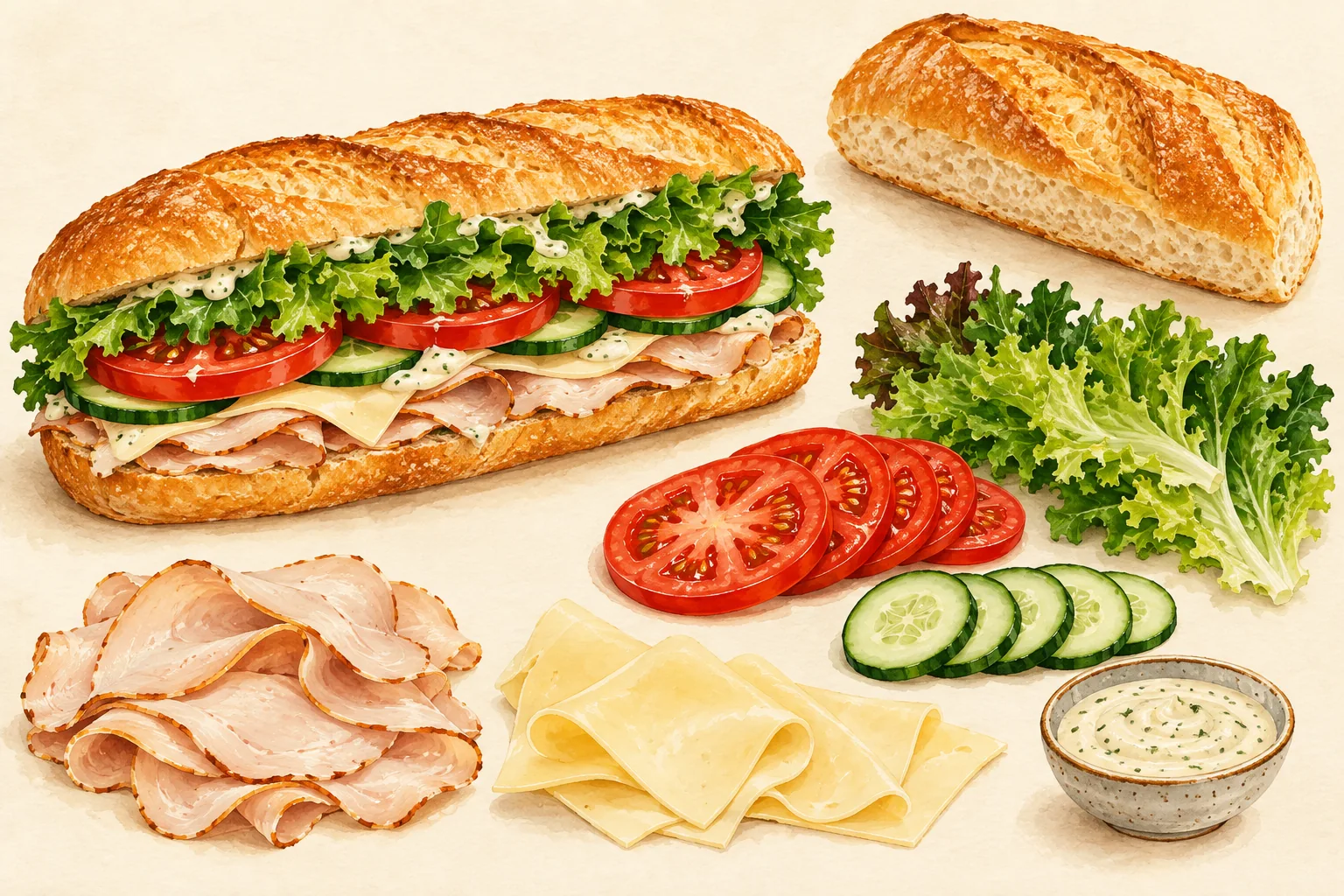
Menu explained
Read named recipes, compare included ingredients and find a useful starting point for your order.
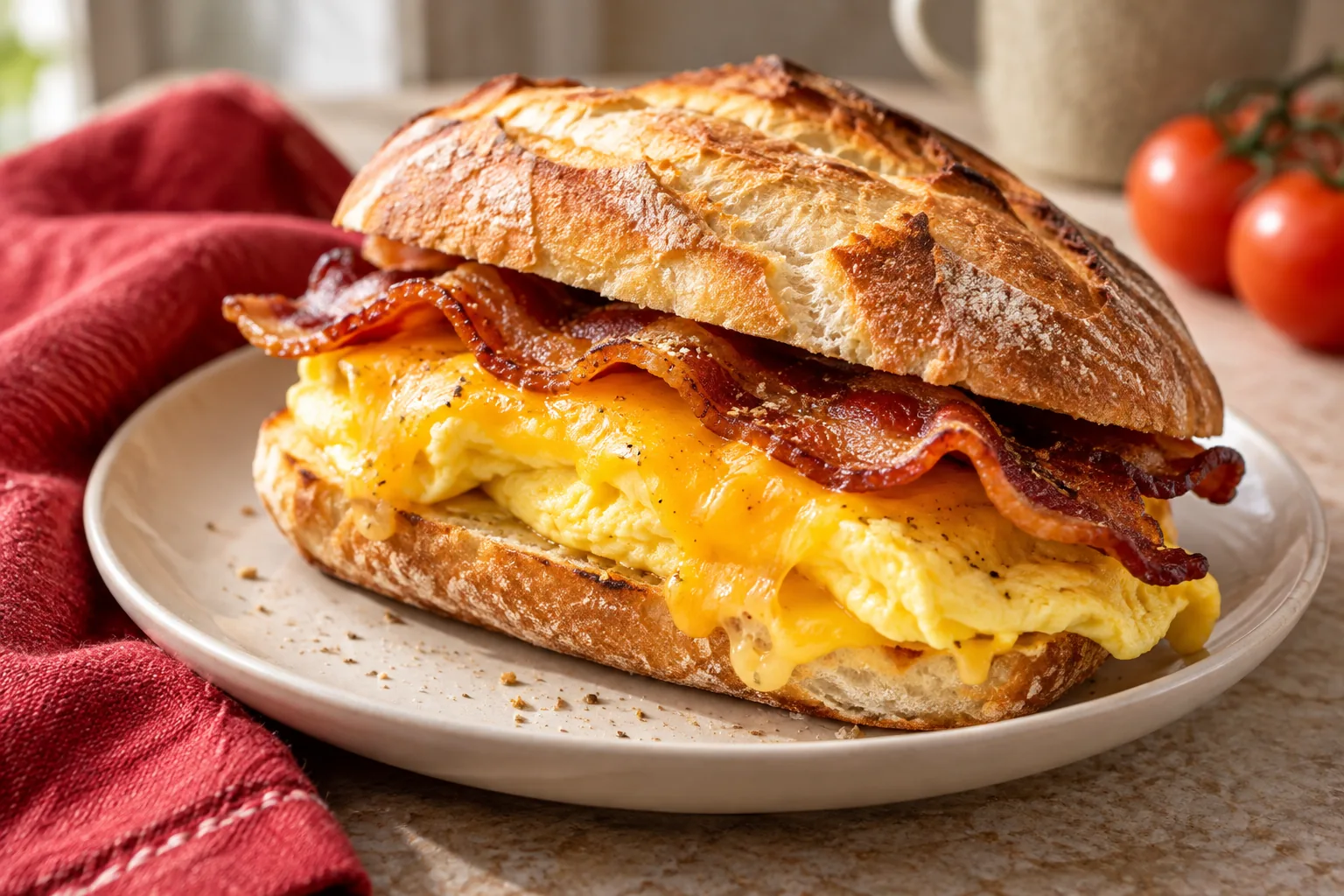
The morning menu
Menu examples, local availability and the questions that make a morning pickup easier to plan.
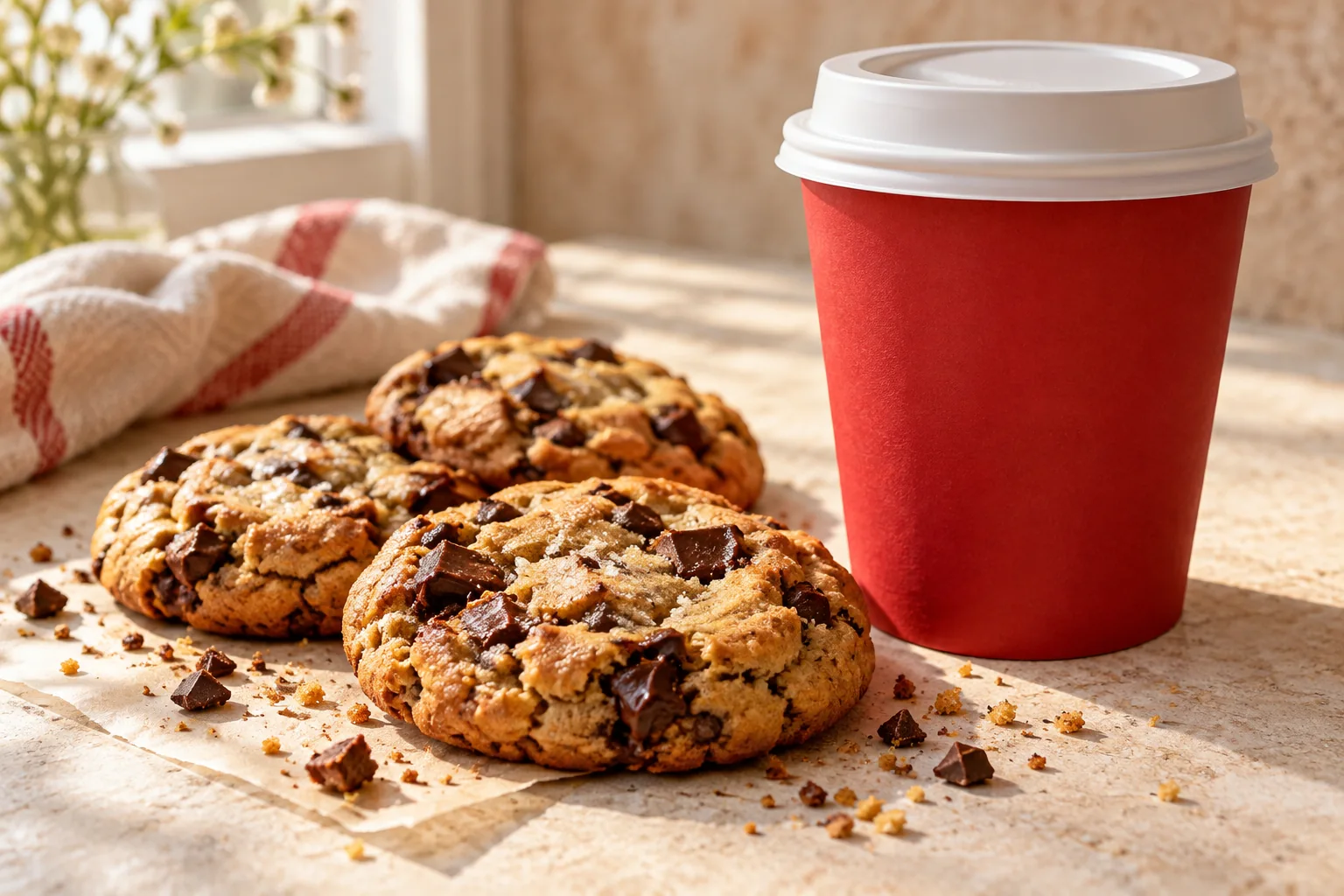
On the side
A closer look at cookies, savoury extras and drinks—and when a meal upgrade actually fits.
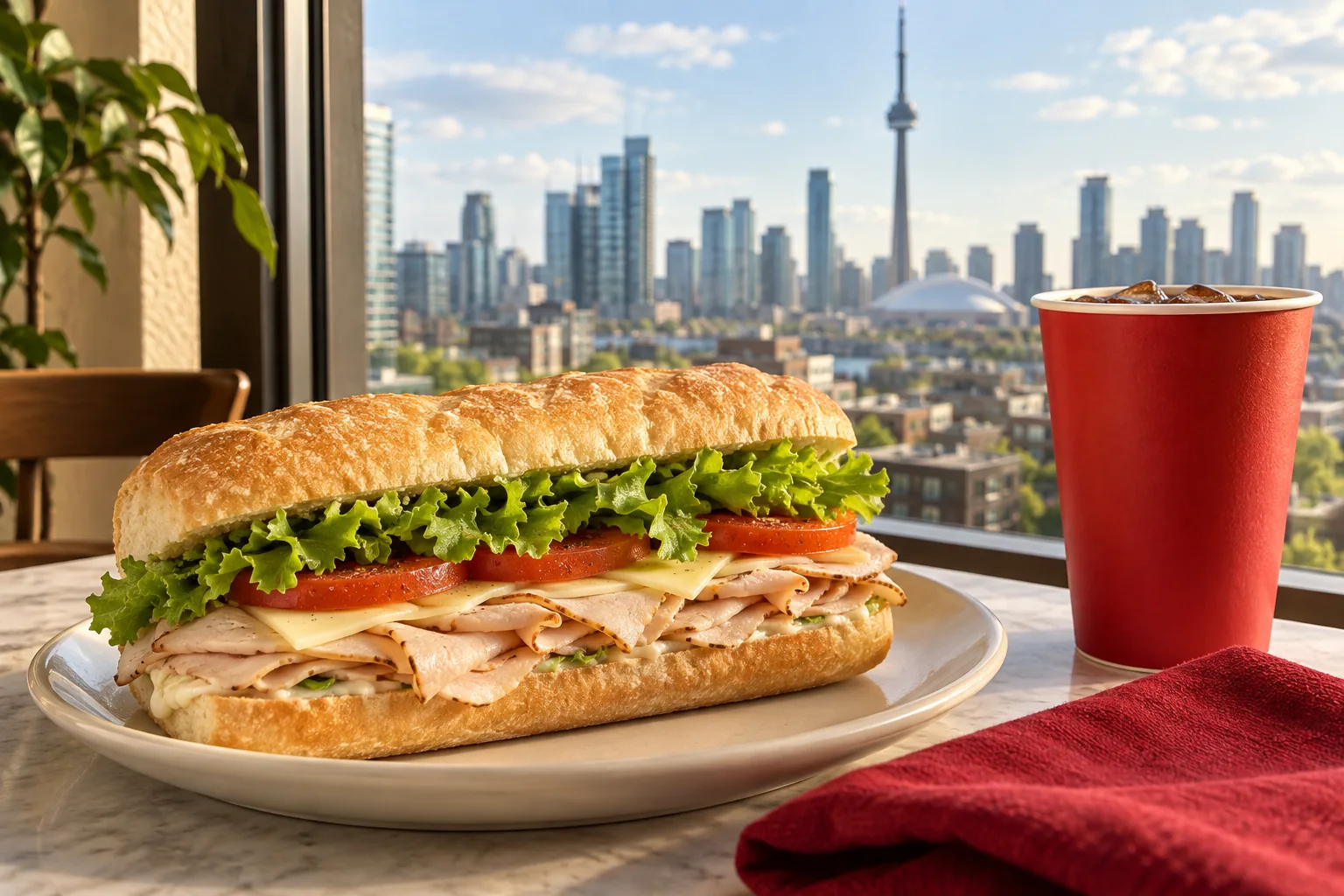
Ingredient-led picks
Mild, rich, spicy or vegetable-led: choose a flavour direction before you choose a name.
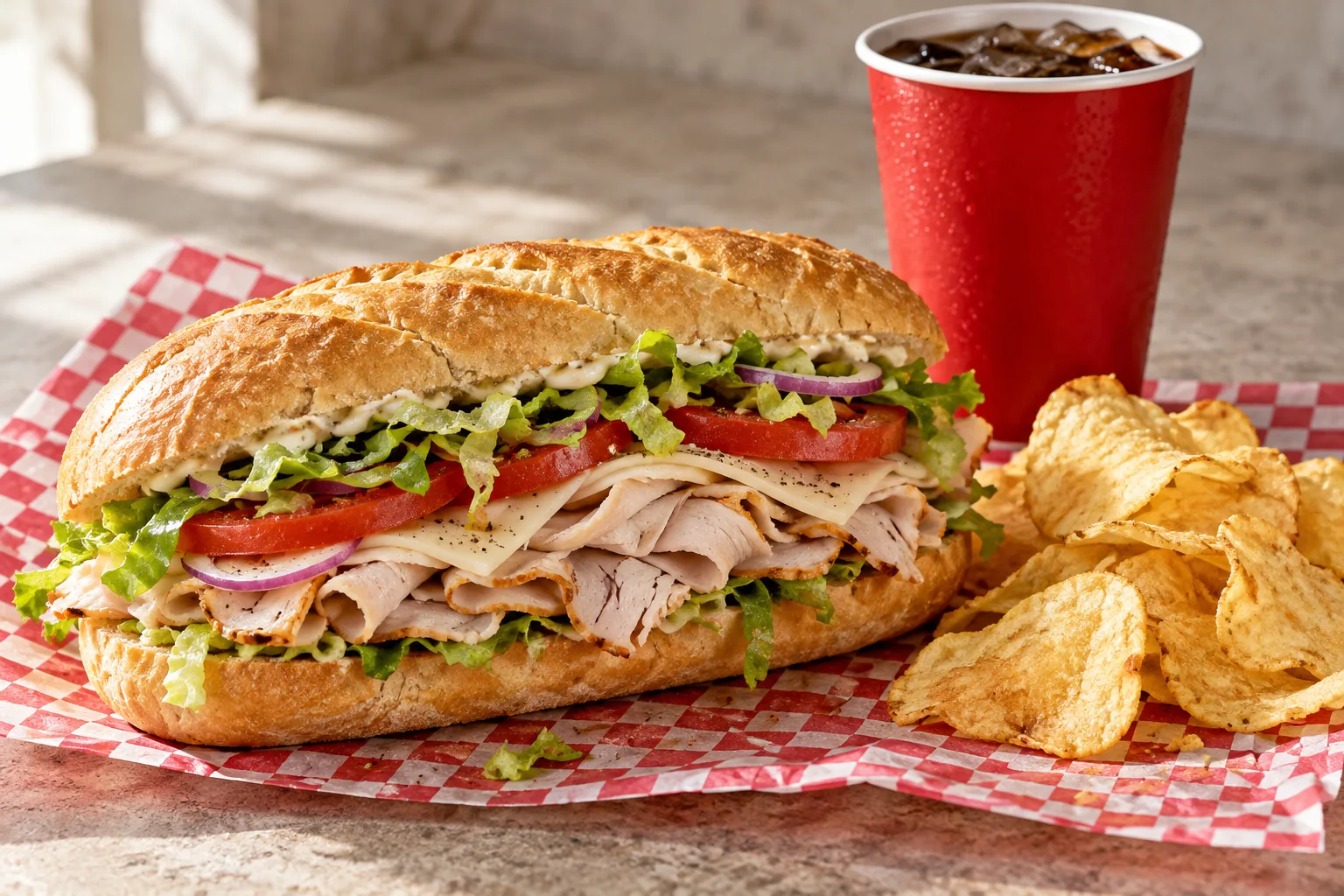
The ordering notebook
Compare complete baskets, understand offer conditions and spend on the food you actually want.
Nutrition & ingredients
Match Canadian nutrition information to the serving, recipe and changes in your actual meal.
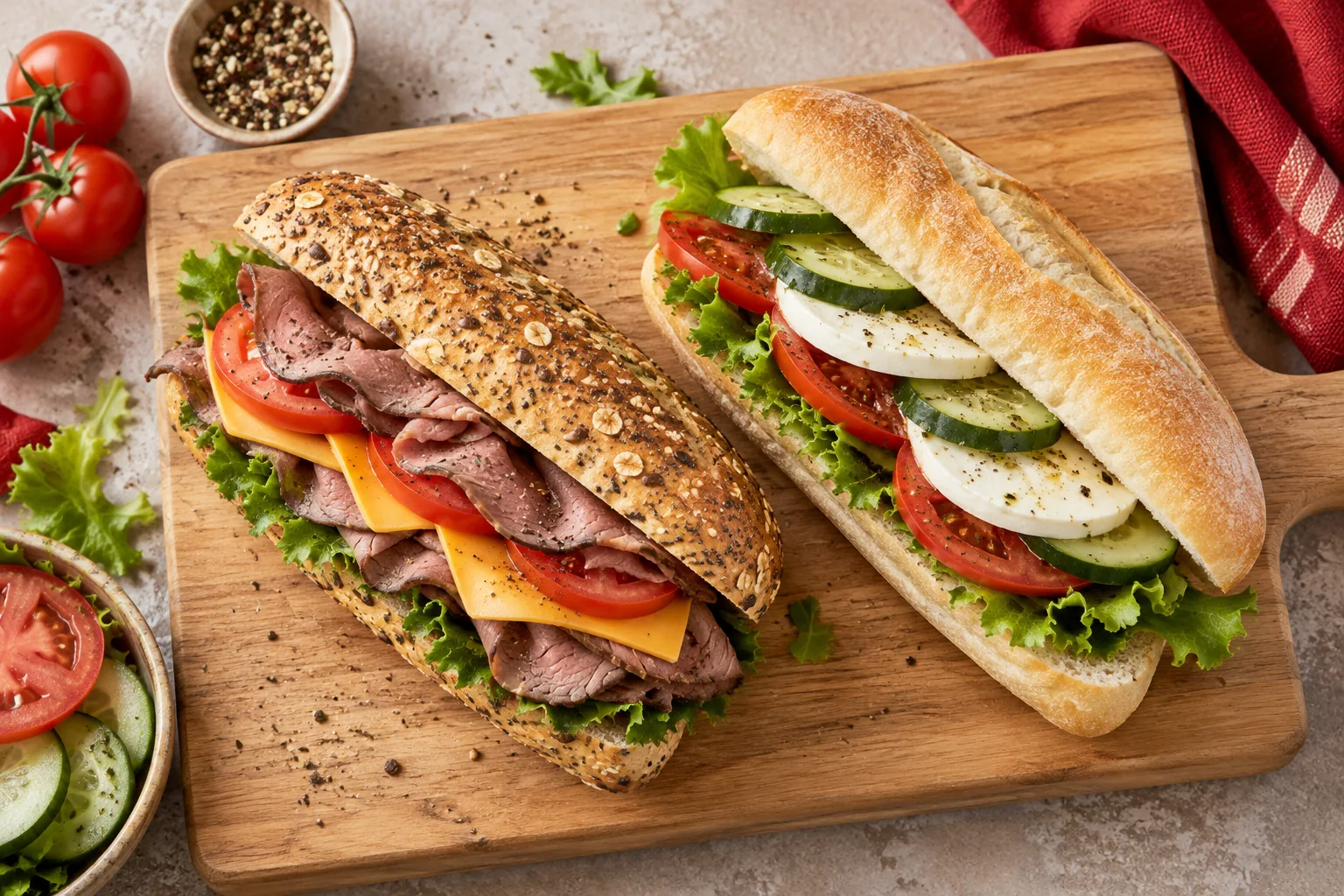
Across the counter
A fair way to compare Subway, MR.SUB and Firehouse Subs without inventing a nationwide winner.
A useful chain comparison starts with equivalent meals at restaurants you can actually visit. Match the desired filling, serving and extras before comparing totals. Do not compare a basic sandwich at one chain with a premium meal at another and call the difference a brand-wide price advantage.
Our Canadian sandwich-chain comparison considers Subway, MR.SUB and Firehouse Subs through that practical lens. It explains which details to collect without inventing national price averages or unsupported taste rankings. The best fit may change with the location, order and occasion.
A few useful answers
Do not assume one menu snapshot applies nationwide. Select your restaurant, choose the size and finish customization before comparing the total.
The dated examples come from an official store listing, but this website is independent. They are observations, not national guarantees or live checkout quotes.
Check the selected restaurant's current menu. This guide does not promise those categories at every location or publish a universal breakfast cutoff.
No. Use Subway's official ordering service or contact the restaurant. This publication provides menu-reading guidance and does not handle payments.
Subway Menu Guide Canada is the editorial name used by subwaymenupricescanada.com. We organize public menu information and practical ordering guidance for readers in Canada. We are not Subway, do not take food orders and are not affiliated with or endorsed by the restaurant brand.
Our research starts with official Canadian menus, ordering pages and ingredient documents. Where a source leaves a question unresolved, we describe the limitation instead of inventing an answer. Read our editorial policy for the source hierarchy and correction process, and our About page for the scope of the publication.